By Mohenesh Chamith Buthgumwa
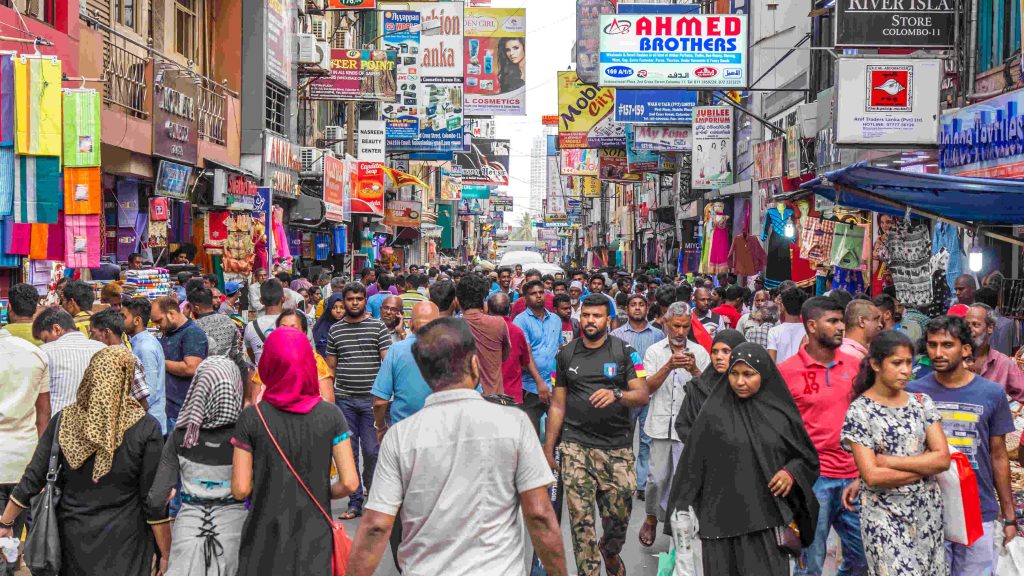
As I look at the Sri Lankan marketing landscape moving into 2026, one thing is clear: success is no longer about choosing between digital or traditional channels. The brands that stand out are the ones that focus on being relevant, thoughtful, and human. Audiences today are smarter, faster, and far less forgiving of generic or formulaic messaging.
From my perspective, while global trends provide inspiration, it is local insight that truly drives impact. Understanding Sri Lankan culture, language preferences, and media habits is essential for campaigns that capture attention, earn trust, and create meaningful engagement.
In this article, I share my key insights on the trends and opportunities shaping marketing in Sri Lanka in 2026, highlighting where brands can focus to stay ahead and connect deeply with audiences.
3D LED Screens Transforms Outdoor Advertising
In 2026, outdoor advertising in Sri Lanka enters a new phase with the arrival of 3D LED. After years of watching immersive outdoor experiences globally, Sri Lankan brands now have the opportunity to create real world spectacle. This is not just about size or brightness. It is about creating moments people stop for, talk about, and share. Early adopters will benefit the most before the format becomes crowded and loses its novelty.
AI Becomes Essential but AI Slop Becomes a Risk
Artificial intelligence will be fully embedded into marketing workflows by 2026. It will improve speed, efficiency, and scale. However, alongside this growth comes a global problem that is already visible locally. AI slop. Low effort, generic content that feels empty and interchangeable. In Sri Lanka, some brands are already using AI as a cheap replacement for thinking. The opportunity in 2026 is clear. Use AI as a tool, not a shortcut. Brands that combine AI with human insight, cultural understanding, and strong judgment will stand out as quality becomes a differentiator.
Video Becomes the Default Language Across Platforms
By 2026, video is no longer a format choice. It is the primary language of marketing in Sri Lanka. Short videos dominate social platforms. Long form video continues to perform strongly on YouTube. Television remains a powerful mass medium. What changes is not where video lives, but how it is used. Audiences respond more to relevance than polish. Simple, culturally grounded video content consistently outperforms high production but disconnected messaging.
Live Experiences and Music Gain Strategic Importance
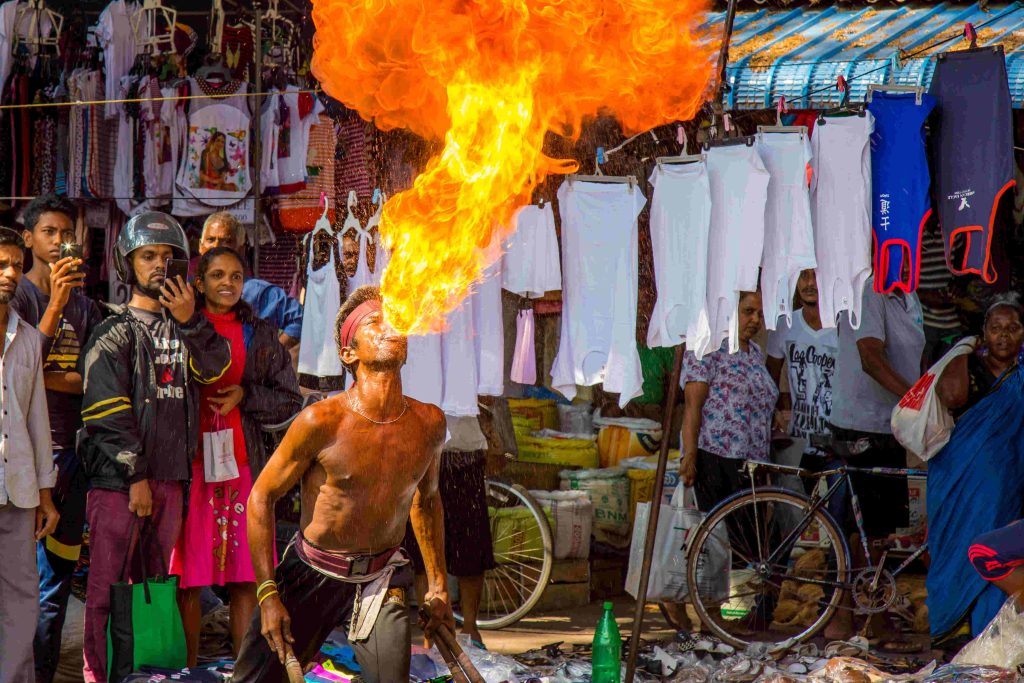
As automation increases globally, people value real life experiences more than ever. Sri Lanka has always been a live culture, and in 2026 this becomes a major opportunity for brands. Music events, pop ups, festivals, and experiential activations allow brands to create emotional memory, not just awareness. Live experiences offer something digital cannot replicate. Presence, emotion, and shared moments.
Local Language Video Content Drives Growth
In 2026, Sinhala and Tamil video content becomes central to scale and trust. Growth outside Colombo continues, and audiences respond most strongly to content that reflects their language and reality. This is not about translation. It is about native storytelling. Brands that invest in authentic local language video will unlock deeper engagement and national relevance.
Conversational AI Redefines Customer Engagement
Sri Lankan consumers are increasingly comfortable engaging with brands through chat based platforms. By 2026, conversational AI will be a standard expectation. The opportunity lies in designing conversations that feel helpful, respectful, and human. Brands that treat conversational AI as a service experience rather than a cost saving tool will see stronger loyalty and conversion.
Mid Level Influencers Become the Most Effective Partners
Influencer marketing in Sri Lanka matures further in 2026. The focus shifts away from celebrity reach and towards mid level influencers who balance credibility with scale. These creators feel relatable and trusted. Long term partnerships with mid level influencers will outperform one off endorsements driven by follower count alone.
Interactive Storytelling Cuts Through Content Fatigue
As content volume increases, attention becomes harder to earn. Interactive formats such as live sessions, polls, audience driven narratives, and participatory content gain importance. Sri Lankan audiences enjoy being involved, not just spoken to. Interactive storytelling increases engagement without requiring large budgets.
Niche Communities Become Powerful Growth Engines
In 2026, niche communities play a bigger role in brand building. Fitness groups, gamers, parents, music communities, and interest based circles offer depth that mass communication cannot. Brands that understand and respect these communities can build loyalty that lasts far beyond a campaign.
Cultural Festival Integration Deepens Brand Relevance
Cultural and religious festivals remain deeply meaningful in Sri Lanka. In 2026, brands that move beyond seasonal messaging and genuinely contribute to these moments will stand out. The opportunity is to add value, emotion, or experience rather than just presence.
Radio as the Primary Storytelling Medium
In 2026, a contrarian opportunity emerges in Sri Lanka. Using radio to tell the full brand story, with digital acting as the teaser and amplification layer. Radio still offers uninterrupted attention and emotional depth. By placing the complete narrative on radio and using digital to spark curiosity and extend reach, brands can build richer memory and connection in a cluttered digital environment.
Television as a Second Screen Experience
In 2026, television in Sri Lanka evolves from a one way viewing medium into a second screen experience. Viewers increasingly watch TV with a phone in hand, especially during entertainment, reality shows, sports, and live events. This creates an opportunity for brands to design TV content that intentionally connects with digital behaviour in real time. QR driven moments, live social extensions, synced mobile interactions, and follow up content that deepens the story after broadcast allow television to trigger action rather than just awareness. Instead of treating TV as the final output, brands can use it as the emotional ignition point that drives audiences into digital experiences, conversations, and commerce.
Print Regains Value as a Trust Signal
As AI generated content floods digital spaces, print regains importance as a signal of seriousness and credibility. In Sri Lanka, print still carries authority, especially for categories that rely on trust and leadership. In 2026, print complements digital rather than competes with it.
Direct Consumer Engagement Creates Human Connection
Face to face engagement remains powerful in Sri Lanka. Roadshows, campus tours, regional activations, and experiential formats allow brands to build trust quickly and understand consumers better. In 2026, these interactions become even more valuable as digital fatigue grows.
Cinema Advertising Delivers Premium Attention
Cinema continues to offer distraction free attention. With selective placements and strong storytelling, cinema becomes a premium channel for emotional impact rather than mass exposure.
Community Sponsorship Builds Long Term Equity
Supporting local communities, sports, arts, and education embeds brands into everyday life. In 2026, community sponsorship is less about visibility and more about belonging. Brands that show up consistently earn goodwill that advertising alone cannot buy.
The Bigger Untapped Opportunity in Rural Marketing
Jahuta: A Unique Cultural Experience Waiting to Be Activated
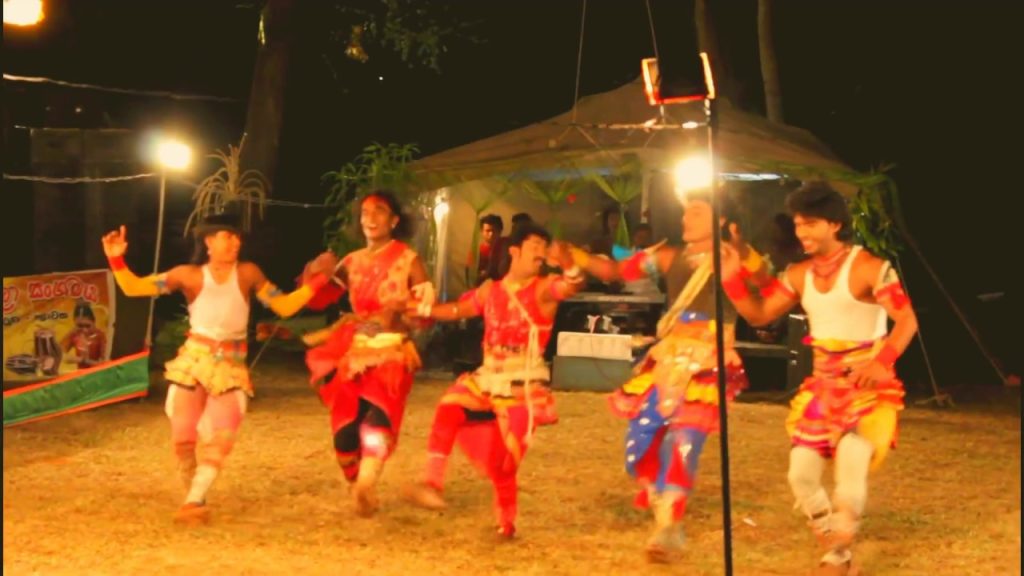
In rural Sri Lanka, Jahuta (ජහුටා) is a traditional musical drama and folk performance deeply rooted in local culture and community life. It is a live performance art form that blends storytelling, music, dance, and dramatic expression, often played out in village settings and local gatherings. While it has gained attention through televised episodes and online clips recently, its origins lie in community storytelling and performance that resonates authentically with rural audiences.
For brands exploring immersive experiences that go beyond digital notifications and screen taps, Jahuta represents a fertile opportunity:
Live, unforgettable engagement:
Unlike typical stage shows or scripted productions, Jahuta unfolds with real people, emotion, and unpredictability. Its strength lies in its cultural resonance something global formats often lack. Brands that integrate with Jahuta performances can tap into authentic cultural contexts people care about, especially in rural and regional markets where digital saturation is lower.
Community first, brand second:
Participating respectfully in Jahuta helps brands position themselves as supporters of local culture rather than outsiders selling products. For example, sponsoring live performances, providing staging, or creating related immersive audience moments (such as interactive storytelling booths or music connection points) lets audiences experience the brand as part of a memorable social event, not just another ad.
Bridging tradition and modern marketing:
In a time when digital experiences can feel repetitive or artificial, Jahuta offers something real: live energy, communal participation, and shared cultural meaning. A well executed brand integration here can elevate brand identity by attaching it to genuine emotional experiences, especially in regional Sri Lanka where traditional arts still thrive.
Amplification into digital:
While the core experience remains live, brands can extend the impact digitally by capturing real footage, sharing audience reactions, and creating culturally rooted content that feels authentic rather than manufactured. This fits perfectly with the broader 2026 theme of blending real life experiences with digital amplification.
The Bigger Picture for 2026
Across all channels, the lesson is clear: authenticity beats automation, experiences outweigh exposure, and connection matters more than content volume.
Marketing success in Sri Lanka in 2026 will not come from chasing every trend. It will come from understanding people, respecting culture, and using technology with intention. Brands that get this balance right will not just remain relevant—they will lead the way into the future.
1 comment
Anas
January 12, 2026 at 9:59 amQuite an intresting take of things, espeically for Print and AI pov.
Good Stuff Chief 🙂
Anas